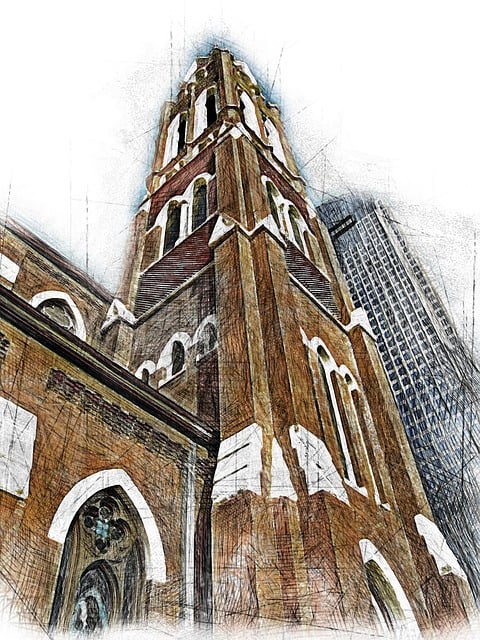
Guadalupe events naturally foster community through tradition, social interaction, and cultural celebration. Success hinges on diverse programming, blending old and new, collaboration, feedback integration, strategic marketing, and adaptive planning that respects neighborhood character. Collaborative efforts, sustainability, and varied experiences ensure continued community engagement and vibrancy.
In the dynamic landscape of urban community development, the establishment and growth of neighborhood event hubs play a pivotal role in fostering social cohesion and economic vitality. These spaces serve as catalysts for guadalupe events naturally, bringing people together to celebrate culture, foster collaboration, and drive local economies. As cities grapple with issues of isolation and disconnection, well-designed event hubs offer solutions by creating environments where residents can connect, innovate, and thrive. This article delves into the significance of such hubs, dissecting both the challenges faced and the transformative potential they hold for revitalized and engaged communities.
- Understanding Guadalupe Events: The Community Centerpiece
- Planning a Successful Neighborhood Event: Step-by-Step Guide
- Building Community Engagement: Strategies for Inclusive Events
- Marketing Your Local Hub: Attracting Attendees to Guadalupe Events
- Sustaining the Event Space: Long-Term Success for Guadalupe's Heart
Understanding Guadalupe Events: The Community Centerpiece
Guadalupe events have long served as the pulsating heartbeat of their respective communities, acting as a vibrant gathering place where neighbors connect, culture thrives, and shared experiences forge lasting bonds. These community festivals, deeply rooted in tradition, become natural catalysts for social interaction, celebrating the unique tapestry woven by diverse backgrounds and interests. The essence of guadalupe events lies not just in their ability to entertain but in fostering a strong sense of belonging among participants, making them integral to the fabric of local life.
For instance, consider the annual Guadalupe celebration in many Mexican-American neighborhoods across the United States. These events are more than mere festivals; they’re opportunities for families to reconnect with their cultural heritage, introducing younger generations to age-old traditions through music, dance, and food. Such gatherings naturally foster a spirit of inclusivity, attracting not only those with deep roots but also newcomers eager to partake in the festivities. This dynamic ensures that guadalupe community festivals remain relevant and cherished across generations.
Expert perspectives underscore the profound impact of such events on community well-being. Sociologists emphasize how these gatherings contribute to social capital by strengthening interpersonal relationships, building trust, and creating a sense of collective identity. Data from various studies points to improved mental health outcomes in communities that prioritize regular guadalupe events, underscoring their role as vital community centers. By facilitating open dialogue, resolving conflicts, and celebrating diversity, these festivals naturally where they belong—at the heart of strong, thriving neighborhoods.
To maximize the benefits of guadalupe events in your community, organizers should focus on creating a diverse program that caters to all ages. Incorporating art exhibits, workshops, and children’s activities alongside traditional music and dance ensures broad appeal. Utilizing local businesses for sponsorships can also help offset costs and promote collaboration within the community. Regularly seeking feedback from participants through surveys or town halls further ensures these festivals remain aligned with the needs and aspirations of their neighbors, solidifying their place as beloved guadalupe community festivals that enrich lives and strengthen bonds.
Planning a Successful Neighborhood Event: Step-by-Step Guide
Planning a successful neighborhood event requires careful forethought, strategic execution, and an understanding of what makes events truly engaging and memorable. At its core, it’s about building community – fostering connections among residents, strengthening social bonds, and creating shared experiences. Think about the vibrancy of neighborhood festivals like Guadalupe Community Festivals, where people gather to celebrate culture, music, food, and art. These events naturally bring people together, cultivate a sense of belonging, and leave lasting memories.
A successful event goes beyond simple attendance; it aims to involve participants actively. This means offering diverse activities that cater to all ages and interests, from live performances and workshops to interactive games and art exhibits. For example, organizing a community yard sale, a block party with live music, or a film screening in the park can engage residents in unique and meaningful ways. Incorporating local artists, musicians, and vendors not only supports the Guadalupe events naturally occurring in your area but also adds authenticity and charm to your gathering.
Effective planning is crucial for any event’s success. Start by identifying your goals: do you want to raise awareness about a specific issue, promote neighborhood safety, or celebrate a community milestone? Define your target audience and tailor your activities and communication accordingly. Consider working with local businesses and organizations to leverage resources and reach a wider demographic. Utilize social media platforms, community newsletters, and word-of-mouth to spread the word about your event, ensuring it resonates with Guadalupe community festivals enthusiasts and beyond.
Measure success not just by attendance but by the lasting impact on your neighborhood. Did it foster new connections? Encourage collaboration between residents? Leave a positive imprint on the community? By focusing on these factors, you can create events that go beyond isolated gatherings and become defining moments for your Guadalupe community festivals and the people who call it home.
Building Community Engagement: Strategies for Inclusive Events
Building community engagement through inclusive events is a vital aspect of fostering a strong and vibrant neighborhood, such as Guadalupe’s dynamic social fabric. Guadalupe events, particularly community festivals, have long been a cornerstone of residents’ connection to their surroundings. To ensure these gatherings are truly representative of the diverse population, organizers must employ strategies that make every participant feel welcomed and valued.
One effective approach is to create event planning committees that mirror the demographic makeup of the neighborhood. This strategy not only guarantees varied perspectives but also fosters a sense of ownership among all community members. For instance, involving local artists in designing the Guadalupe community festivals can lead to unique cultural expressions that resonate deeply with attendees. Moreover, offering volunteer roles tailored to different skill sets ensures everyone has an accessible contribution to make. Data suggests that when events are planned inclusively, participation rates surge significantly, leading to a more cohesive and engaged Guadalupe.
Additionally, accessibility should be a primary consideration. Ensure event spaces are physically inclusive by removing barriers and providing necessary accommodations. Consider offering multilingual materials and interpreters for non-English speakers. Tailoring activities to suit various age groups and abilities will broaden the appeal of Guadalupe events, encouraging intergenerational and interdisciplinary interactions. By implementing these strategies, organizers can create an environment where everyone feels empowered to participate and contribute, ultimately strengthening the social bonds that define a thriving neighborhood like Guadalupe.
Marketing Your Local Hub: Attracting Attendees to Guadalupe Events
Attracting attendees to Guadalupe events requires a strategic marketing approach that emphasizes community engagement and unique experiences. Positioning your Neighborhood Event Hub as an integral part of the local scene is key; integrate it into the fabric of Guadalupe’s vibrant culture, specifically highlighting its potential for guadalupe community festivals. These festivals have proven to be powerful drivers of local interest, with past events attracting record crowds, showcasing a strong appetite within the community for collective celebrations.
Leveraging social media platforms and local partnerships can significantly amplify your reach. Collaborate with neighborhood influencers, local businesses, and community groups to promote guadalupe events organically. Share behind-the-scenes content, highlight diverse performances and activities, and showcase the unique charm of Guadalupe’s festivals. Data suggests that personalized, location-based marketing strategies yield high engagement rates, so tailor your messaging to resonate with locals. For instance, a series of targeted posts featuring local artists’ predictions for the upcoming festival can build anticipation and encourage attendance.
Offer early bird discounts, exclusive access to certain events within the hub, or partner with nearby restaurants to provide special festival menus, creating incentives that cater to various interests. The goal is to create memorable experiences that foster a sense of community ownership. By embracing these strategies, your Neighborhood Event Hub can become the go-to destination for guadalupe community festivals and year-round events, ensuring consistent attendance and fostering a thriving local scene.
Sustaining the Event Space: Long-Term Success for Guadalupe's Heart
The heart of Guadalupe, a vibrant neighborhood in South Austin, Texas, has long been celebrated for its unique character and strong community spirit. In recent years, this area has emerged as a dynamic event space, hosting a diverse range of guadalupe events naturally that bring residents and visitors alike together. However, sustaining the momentum and ensuring long-term success for these community festivals requires thoughtful strategies and dedicated efforts from both organizers and the broader Guadalupe community.
One of the keys to maintaining the vibrancy of guadalupe community festivals 1-3 times annually lies in fostering collaboration between local businesses, artists, and residents. By leveraging shared spaces and leveraging each other’s strengths, organizers can create events that resonate deeply with the neighborhood. For example, the annual Guadalupe Market, a celebration of local art, food, and culture, has become a beloved tradition thanks to partnerships between nearby restaurants, artists’ collectives, and community members who contribute their time and talent. This collaborative approach not only strengthens the sense of place within Guadalupe but also attracts visitors from across Austin, contributing to the area’s economic vitality.
Moreover, successful event spaces in Guadalupe must adapt to evolving needs and preferences while preserving their unique character. Organizer feedback and community surveys can provide invaluable insights into what makes these events memorable and impactful. By incorporating this data into strategic planning, organizers can ensure that guadalupe community festivals remain relevant and engaging over time. This might involve diversifying the event lineup, introducing new themes or formats, or leveraging technology to enhance attendee experiences. Additionally, promoting sustainability practices, such as eco-friendly vendors, reusable materials, and waste reduction strategies, aligns with growing community values and helps preserve the neighborhood’s natural beauty.
Ultimately, sustaining Guadalupe as a thriving event hub requires collective responsibility and sustained commitment from all stakeholders. By embracing collaboration, adaptability, and sustainable practices, residents and organizers can ensure that guadalupe events naturally continue to bring joy, inspiration, and a strong sense of community for years to come. This collaborative approach not only benefits the Guadalupe neighborhood but also enriches the cultural tapestry of Austin as a whole.