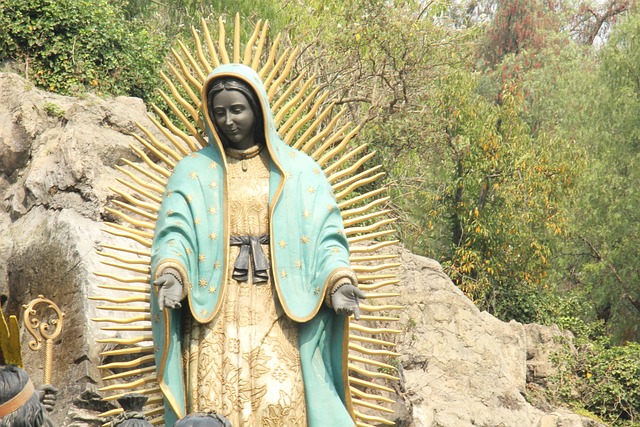
Guadalupe offers a rich cultural heritage experience through well-planned activities focusing on colonial architecture, local arts, festivals, and traditional crafts. Preserving historic sites involves community engagement, site assessments, and documenting architectural styles. Exploring traditional arts and crafts, like pottery and weaving, culinary classes, and indigenous art lessons enriches visits. Community-driven events, digital tours, and interactive apps engage youth in cultural heritage preservation. Key things to do in Guadalupe naturally include festivals, guided historical tours, and exploring vibrant street art.
In the dynamic landscape of cultural heritage preservation, a comprehensive planning tool stands as an essential asset for communities seeking to safeguard their rich history while engaging with modern challenges. This article delves into the significance of Cultural Heritage Activity Planners, addressing the pressing need to systematically document, preserve, and share valuable local traditions, particularly in vibrant locations like Guadalupe. By examining various facets, from traditional practices to community involvement, we aim to provide an authoritative guide on fostering a thriving cultural heritage ecosystem while offering insightful “things to do in Guadalupe” that naturally enrich both locals and visitors alike.
- Understanding Guadalupe's Cultural Heritage
- Identifying Historic Sites and Landmarks
- Exploring Traditional Arts and Crafts
- Preserving Local Traditions Through Activities
- Community Engagement for Heritage Preservation
- Things to Do: Immersion in Guadalupe's Heritage
Understanding Guadalupe's Cultural Heritage
Guadalupe offers a vibrant tapestry of cultural heritage, with a rich history that inspires and engages visitors. To truly understand and appreciate this legacy, planning is key. A well-rounded cultural heritage activity planner in Guadalupe will balance iconic historical sites with authentic local experiences, allowing for a deep dive into the region’s diverse traditions. Start by exploring the town’s colonial architecture, such as the historic churches and government buildings that line its cobblestone streets, offering a glimpse into the Spanish mission period. These structures, like the Mission San Miguel Arcángel, are not just tourist attractions but tangible connections to Guadalupe’s past.
For an immersive experience, consider participating in local cultural activities. Guadalupe is renowned for its vibrant arts scene, with numerous galleries showcasing the works of both established and emerging artists. Visiting art collectives or attending workshops can offer a unique perspective on the region’s creative spirit. Additionally, local festivals like the Guelaguetza celebration are quintessential things to do in Guadalupe for anyone wanting to immerse themselves in the culture. These events showcase traditional dance, music, and crafts from various communities, providing a dynamic snapshot of Guadalupe’s ethnic diversity.
Beyond these highlights, engaging with local artisans and craftspeople is another essential aspect of understanding Guadalupe’s cultural heritage. Many villages surrounding the town are known for specific artisanal traditions, such as pottery or weaving. Visiting workshops and interacting directly with artisans allows for a deeper appreciation of the skills and knowledge passed down through generations. This direct engagement also supports the preservation of these crafts, ensuring they remain vital components of Guadalupe’s cultural landscape. By incorporating these diverse experiences into your itinerary, you’ll gain a multifaceted understanding of Guadalupe’s rich cultural heritage.
Identifying Historic Sites and Landmarks
In the vibrant tapestry of Guadalupe, identifying and preserving historic sites is a crucial aspect of cultural heritage activity planning. This charming city, renowned for its rich history and diverse attractions, offers a plethora of things to do that naturally encompass its past. Among these, notable landmarks and historic districts stand as testament to the area’s evolution over centuries.
A strategic approach to identifying these sites begins with thorough research and community engagement. Local historians, archivists, and cultural heritage organizations are invaluable resources, providing insights into the city’s timeline and significant events. For instance, exploring the archives of Guadalupe’s historical society can unveil hidden gems—old photographs, maps, and stories that pinpoint key locations worth preserving. Engaging with residents, particularly older generations, offers firsthand accounts and memories that can guide the planning process.
Practical steps involve conducting thorough site assessments, documenting architectural styles, and evaluating their cultural significance. This includes assessing structural integrity, studying historical associations, and considering their role in shaping local identity. In Guadalupe, for example, the historic center boasts a mix of colonial-era buildings, Victorian homes, and modern structures that contribute to its unique character. By categorizing these sites into districts or clusters, planners can develop targeted strategies for conservation and interpretation, ensuring that guadalupe cultural activities remain vibrant while preserving the city’s natural heritage.
Ultimately, identifying historic sites is not merely a task but a mission to safeguard Guadalupe’s cultural legacy. It encourages visitors and locals alike to appreciate and engage with the past, fostering a deeper connection to the place. Through dedicated efforts, these landmarks can continue to inspire future generations, ensuring that guadalupe cultural activities thrive while remaining anchored in the city’s rich historical fabric.
Exploring Traditional Arts and Crafts
Exploring Traditional Arts and Crafts in Guadalupe offers a rich tapestry of cultural heritage activities that captivate both locals and visitors alike. The island is renowned for its vibrant community of artisans who preserve age-old techniques passed down through generations. These traditional arts and crafts not only represent an integral part of Guadalupe’s identity but also provide unique things to do for those seeking authentic experiences. From intricate woodcarvings to exquisite embroidery, every craft tells a story of resilience, skill, and the island’s distinct character.
One of the standout cultural activities in Guadalupe is immersing oneself in the local pottery tradition. Artisans in villages across the island have honed their skills in shaping clay into functional pieces and decorative art. Visitors can witness these techniques firsthand during workshops or by browsing vibrant local markets. The intricate designs, often inspired by nature and indigenous motifs, make for captivating souvenirs or additions to one’s home decor. Similarly, weaving has deep roots in Guadalupe’s cultural heritage, with traditional looms still in use, creating colorful textiles that serve both practical and aesthetic purposes.
Guadalupe’s culinary scene is another avenue to delve into the island’s rich culture. Local food artisans blend traditional recipes with modern influences, showcasing the region’s diverse flavors. Learning to prepare these dishes through cooking classes not only offers a taste of Guadalupe’s heritage but also provides valuable insights into the community’s close-knit relationships and shared meals. Engaging in these cultural activities 1-3 times during your visit can transform your experience from merely touristy to truly immersive, allowing you to connect with Guadalupe on a deeper level and leave with a newfound appreciation for its vibrant arts and crafts scene.
Preserving Local Traditions Through Activities
Guadalupe is a treasure trove of cultural heritage waiting to be explored. Preserving local traditions is not just about safeguarding historical sites; it involves engaging communities and visitors alike in activities that tell the stories embedded in these places. This is where the Cultural Heritage Activity Planner comes into play, offering a strategic approach to promoting authentic experiences that highlight Guadalupe’s unique character.
One of the most effective ways to preserve local traditions is through immersive activities that connect participants to the region’s cultural roots. For instance, visitors can take part in traditional crafts workshops, learn about indigenous art forms, or join culinary classes teaching regional dishes. These activities not only create a deeper understanding of Guadalupe’s heritage but also support local artisans and culinary experts whose skills are integral to the area’s identity. Data suggests that such initiatives foster a sense of community pride and encourage tourists to engage with Guadalupe on a more meaningful level.
The key to successful cultural preservation lies in collaboration between local communities, tourism boards, and heritage organizations. By integrating traditional practices into planned activities, these entities can ensure that authentic experiences become the cornerstone of Guadalupe’s tourist appeal. For example, organizing guided walks that narrate indigenous myths and legends, or hosting festivals celebrating seasonal events, can attract both locals and visitors looking to immerse themselves in the region’s cultural richness. Such initiatives not only preserve local traditions but also foster economic growth by promoting sustainable tourism practices.
Incorporating these strategies requires a nuanced understanding of what constitutes “things to do in Guadalupe naturally.” It involves curating experiences that go beyond superficial attractions, delving into the intricate tapestry of the region’s history and customs. By offering visitors opportunities to engage with Guadalupe’s cultural activities, the community can ensure that its heritage is not just preserved but celebrated and shared for generations to come.
Community Engagement for Heritage Preservation
Community engagement is a cornerstone of successful heritage preservation efforts, and Guadalupe serves as an excellent example of how local involvement can lead to vibrant cultural revitalisation. In this diverse and historically rich community, things to do in Guadalupe naturally encompass a wide range of activities that not only preserve but also celebrate its unique cultural identity. Guadalupe’s residents have taken the initiative to create a dynamic environment where every event tells a story, from historical reenactments to art exhibitions showcasing local talent.
One of the key strategies in community engagement for heritage preservation is fostering collaborative partnerships between local governments, non-profit organisations, and residents. In Guadalupe, this has manifested as regular town hall meetings where citizens can voice their ideas, concerns, and suggestions for cultural initiatives. These platforms encourage a sense of ownership among residents, ensuring that the things to do in Guadalupe are reflective of its diverse population and rich history. For instance, the annual Guadalupe Cultural Festival, now in its fifth year, was born from this community-driven approach. The festival not only celebrates local art forms but also attracts visitors from across the region, contributing significantly to the area’s economic vitality.
Guadalupe has also embraced innovative methods to engage younger generations in its cultural heritage. By integrating technology with tradition, they’ve created digital tours and interactive apps that make exploring Guadalupe’s past as engaging as it is educational. These tools not only spark curiosity among local youth but also equip them with the skills needed for careers in heritage conservation. This holistic approach ensures that the next generation understands and values their cultural legacy, continuing a cycle of active participation in things to do in Guadalupe that extends far beyond any single activity or event.
Things to Do: Immersion in Guadalupe's Heritage
Guadalupe offers a rich tapestry of cultural heritage activities that immerse visitors in its vibrant history and traditions. Beyond iconic landmarks and museums, exploring local neighborhoods unveils authentic experiences rooted in the region’s diverse past. For those seeking an in-depth understanding of Guadalupe’s cultural heritage, engaging in these unique things to do provides a window into the souls of its people.
One such activity involves participating in local festivals that occur year-round. These vibrant celebrations showcase the area’s deep-rooted customs and arts, from colorful parades to lively music and dance performances. For instance, the annual Guadalupe Festival, held during Día de los Muertos (Day of the Dead), features traditional altars, captivating ofrendas, and lively street processions honoring deceased loved ones—a poignant reminder of the community’s strong cultural ties.
Guided historical tours are another excellent way to delve into Guadalupe’s heritage. Local experts weave captivating narratives about the region’s colonial past, architectural marvels, and influential figures that shaped its identity. These walks often lead visitors to hidden gems—colorful churches, historic homes, and charming plazas—that tell stories of bygone eras. Beyond these structured tours, exploring Guadalupe’s vibrant street art offers a more spontaneous yet rewarding cultural immersion experience.